From a young age I’ve had a fear of naked flames and fire. At a firework party when I was about six years old, someone gave me a sparkler to hold then left me to write my name against the night sky with it.
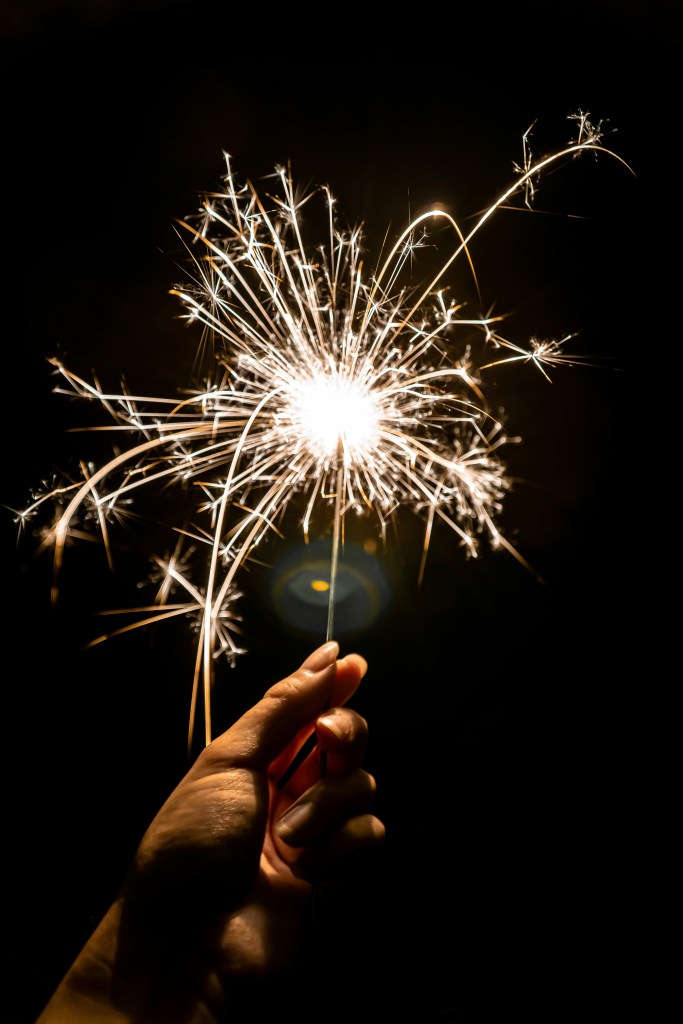
At first this was great fun but as the sparks crept down the stick I was holding, I became anxious that they’d reach my hand. Not realising that they’d die out when they got as far as the end of the chemical coating, I turned the sparkler round to hold the other end of the metal stick which, though no longer sparkling, was extremely hot.
I was lucky not to suffer more than just a bit of burnt pride and a few tears, but that experience left me with a dislike of fireworks, matches or any kind of naked flame. I use gas for cooking but only because I find it more responsive than electricity and I am always a bit anxious until I can turn the flames off at the end of cooking a meal.
The closest I’ve been to a major fire was when a department store in the town I grew up in caught fire when I was eight years old. Fortunately there were no casualties and, though the top two stories of the four storey building were gutted, the ground and first floors were eventually reopened. Although I didn’t see the fire in progress, I always had a sense of unease on the few occasions when I ventured into the store after that and made sure that I was in and out as quickly as possible.
Over the years since then there have, of course, been many major and well publicised fires across the world including the Grenfell Tower fire in London in 2017, each with its story of tragic loss of life.
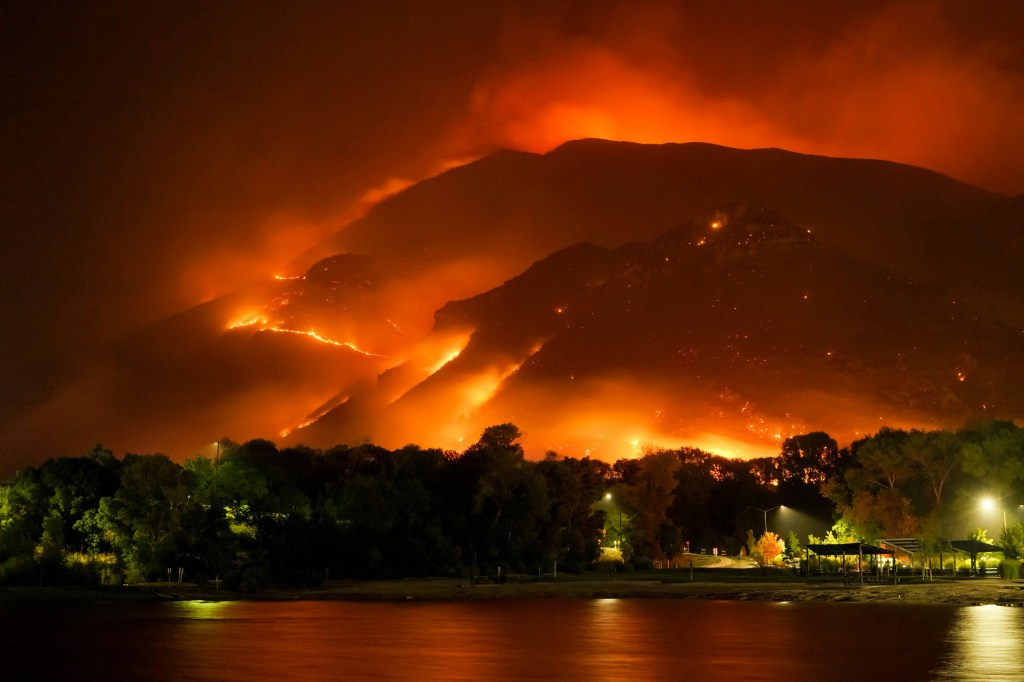
This summer it’s been wildfires across much of Europe, and in parts of the UK, which have been terrifying to watch on news bulletins: people fleeing their homes or holiday accommodation, animals their habitats, and houses, trees, grasslands, livelihoods and whole communities being swept aside by flames racing over the tinder dry landscape. Even when the fires are reported as being ‘contained’, it’s not unusual for hot spots to reignite without warning.
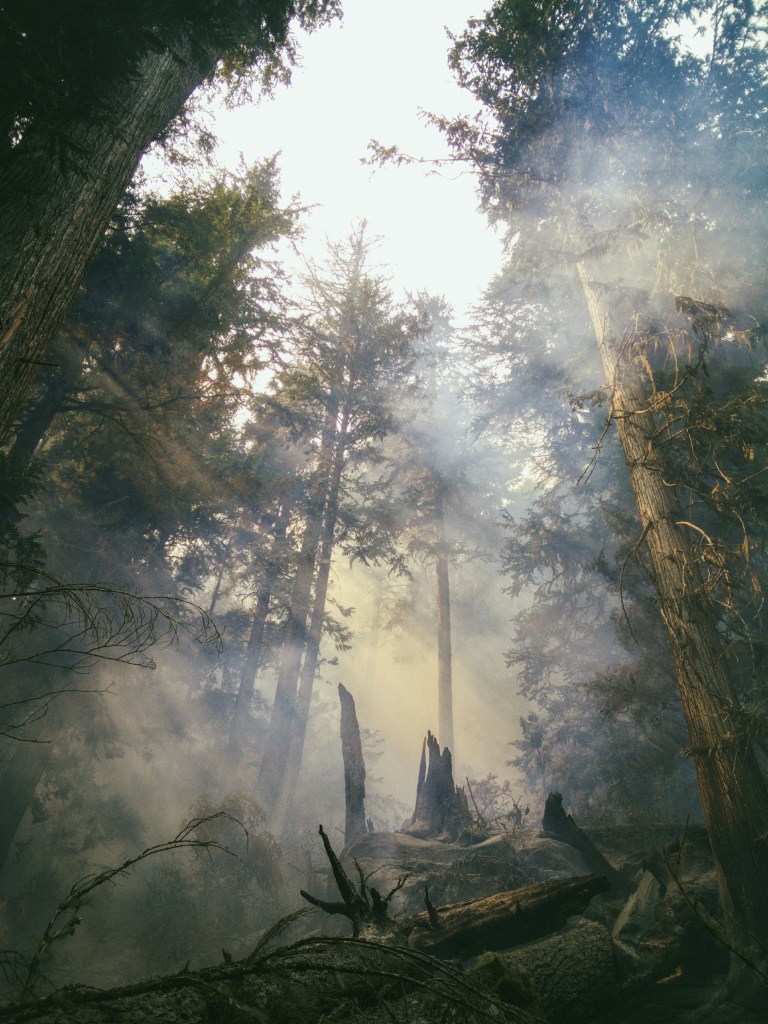
Though wildlife experts usually predict that it will take many years for the landscapes to recover and people who have lost their homes and most of their possessions (especially those without insurance), may never fully rebuild their lives as they were before, it’s amazing how quickly tiny signs of regeneration become apparent.
I think that the phases of our spiritual lives often reflect the phases of a wildfire. Sometimes someone who has faith flaming in them touches our lives and sets us on fire, changing us in a way which is obvious to everyone. The hope is that we will be able to set others aflame in our turn, deepening people’s existing faith or bringing new people into the kingdom.
At other times, personal circumstances or events may pose a threat to that fire in us and we lose confidence. Paradoxically, faith can sometimes be destroyed by flame: the flame of doubt. That fire can be both frightening and distressing but God can, and will if we ask, extinguish our fear, however near us the flames of destruction come.
Fire can be both a destroyer and a cleanser offering the opportunity for new beginnings. What comes out of these experiences can be a deep cleansing. The smallest spark of our faith can be reignited and burst into life once again, bringing a spiritual regeneration which we could never have imagined, and which is often so much more beautiful than what went before.
At the time when I burnt my hand on that sparkler all those years ago, I could never have imagined the spiritual fire and the occasional walks over the burnt wasteland which I’ve experienced. I’m happy to say that I’m no longer worried that the spark is going to go out, leaving me with burnt fingers because I’ve grabbed the wrong end of the stick in self-protection. I’m happy to write the name of Jesus on that night sky …. and on the daytime sky too!
I pray for all those people and animals who are being affected by wildfires across the world at the moment and for the brave firefighters putting their lives at risk as they work to contain and ultimately stop the flames.
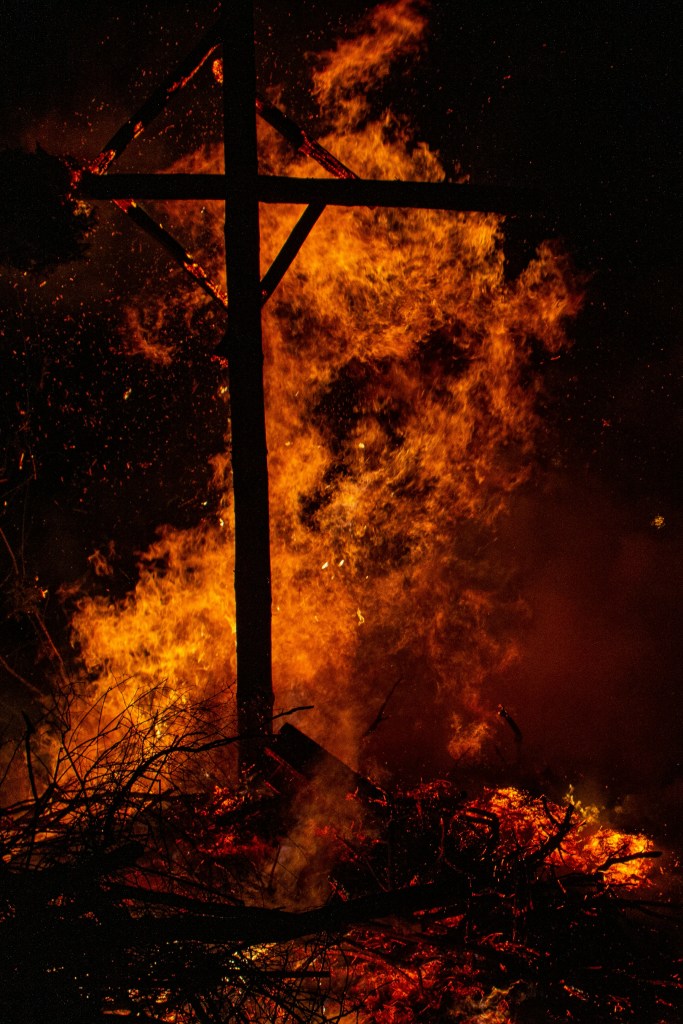
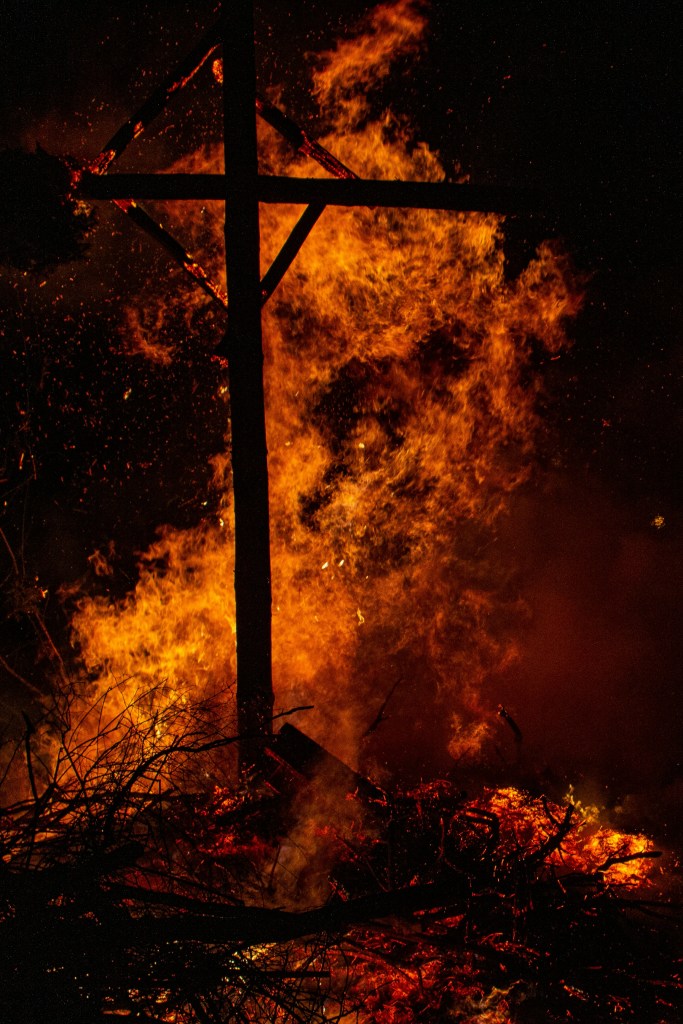
I find this picture of timbers in the shape of a cross against a wall of flame so inspiring. It’s often been the case that when churches have been destroyed whether by natural fires or bombings during a war, the cross is the one thing which survives the devastation. What a spark of hope that is!